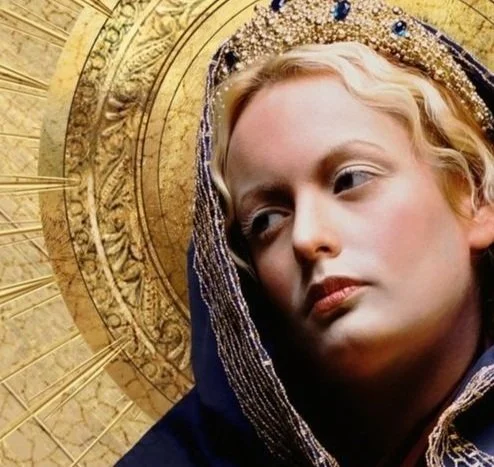
“The models in my pictures are both marginalized and misunderstood…[l]ike the Virgin, they are untouchable…”
TIME Magazine, Nika Nesgoda 2018
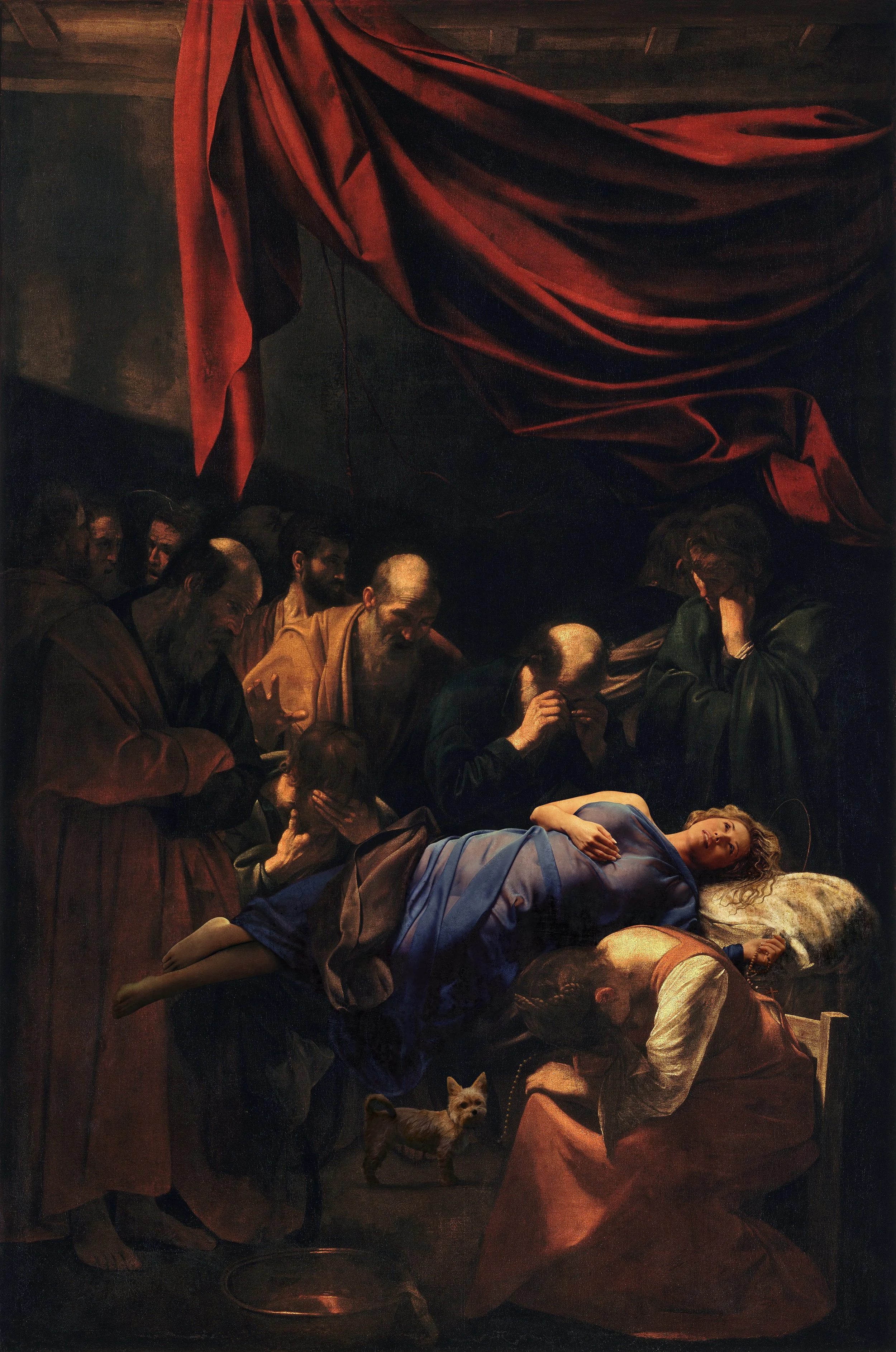
The inspiration for the VIRGIN series came in 2002, while reading about the lives and artwork of the Old Masters. It was astonishing to discover that artists such as Caravaggio, who were best remembered for their church-commissioned paintings, frequently turned to sex workers and other marginalized women when seeking models for their paintings. Digging more deeply into the stories and lives of these little-known women, the back story of Caravaggio’s “The Death of the Virgin” (ca. 1604-1606) was uncovered.
According to art historians, Caravaggio appointed his mistress, a known sex worker, as model for many of his paintings which portray the life of the Virgin Mary. The traditional Christian iconography was stripped away and the Virgin was displayed postmortem, as a corporeal being, rather than as an ethereal spirit’s assumption into heaven, as was common at the time. The parish of the Carmelite church of Santa Maria della Scala rejected the painting, however, declaring it sacrilege to display. The painting then disappeared from public view for years, before eventually coming to reside at the Louvre Museum in Paris.
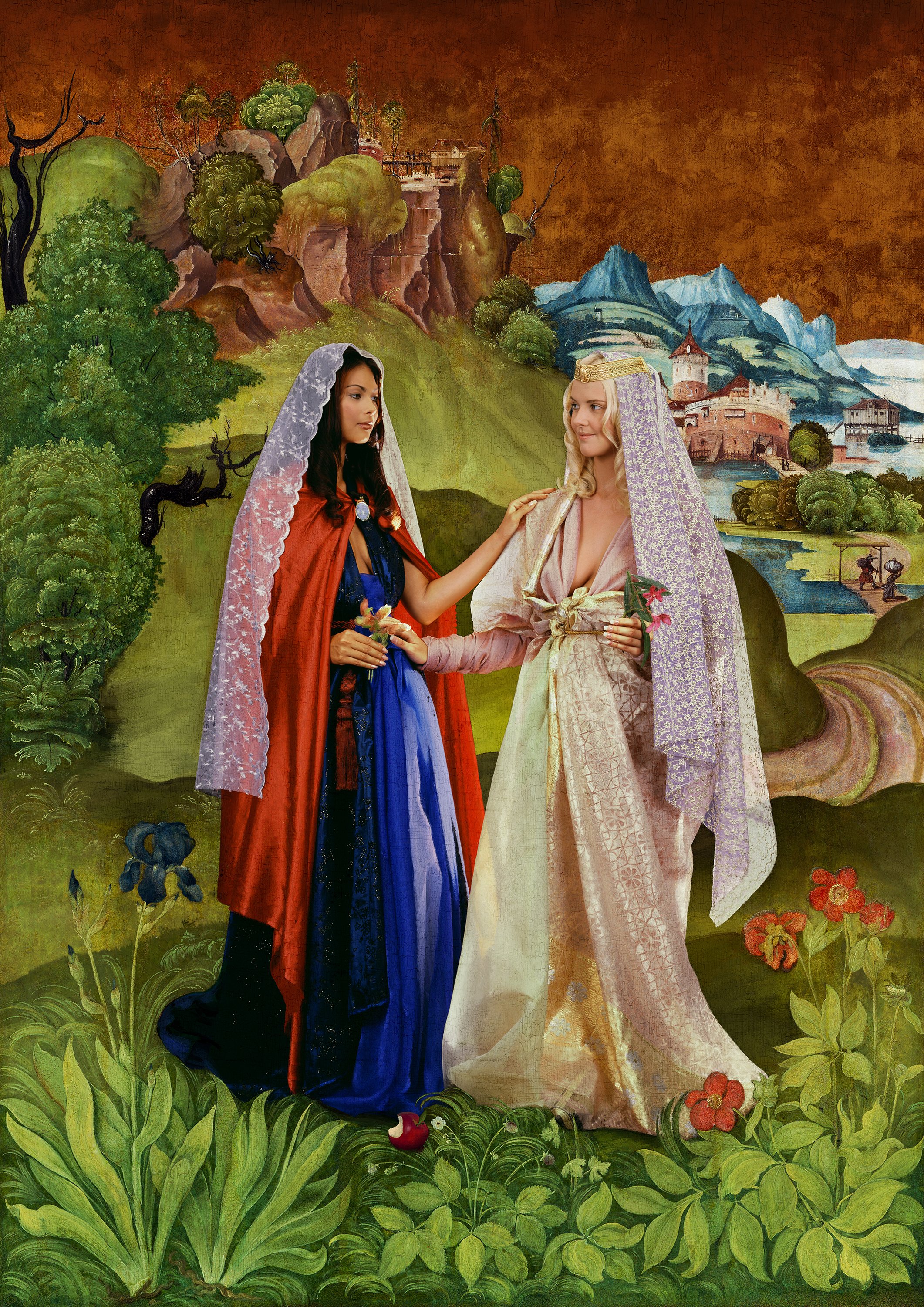
The Visitation, Master MS, 1506
Church of Saint Catherine in Selmecbánya (Banská Štiavnica, Slovakia)
This early Renaissance painting depicts a joyful encounter between the Virgin and her cousin, Elizabeth, the mother of John the Baptist. This visitation is the earliest moment that Mary acts a “messenger” between God and humankind, as it was the first time the presence of Christ is acknowledged.
Ad Visitatio, Nika Nesgoda, 2002/2022
This 17th-century sex scandal, variations on which have played out in the years since, leading one to think about the fact that, for centuries, the treatment of women in works of art has been dichotomous. To be a muse, you were either a virgin or a whore. Were things really any different in the 21st century? Was either of these narrow depictions at all fair to women? Thinking about the Virgin Mary, a frequent subject of paintings in Caravaggio’s time and so many others, who had so little to say in the Bible. The Virgin is portrayed as an untouchable, inhuman figure. On the other hand, was the Virgin entirely antithetic of the models who posed for the artists depicting her?
With this refreshed backdrop story in mind, a question persisted: who could be considered one of today’s most misunderstood cultural icons? Immediately, porn stars came to mind. These people are mostly visuals; they have millions of followers, but we don’t really know who they are or how they came to be. We don’t hear their voice. Like the Virgin Mary, porn stars are icons. They are a cultural force, but they are rarely thought of as real people. Notably, they also share a similar profession to so many of the women who, centuries before them, served as models for the all-male Old Masters as they painted the Virgin Mary in so many church-commissioned works of art.
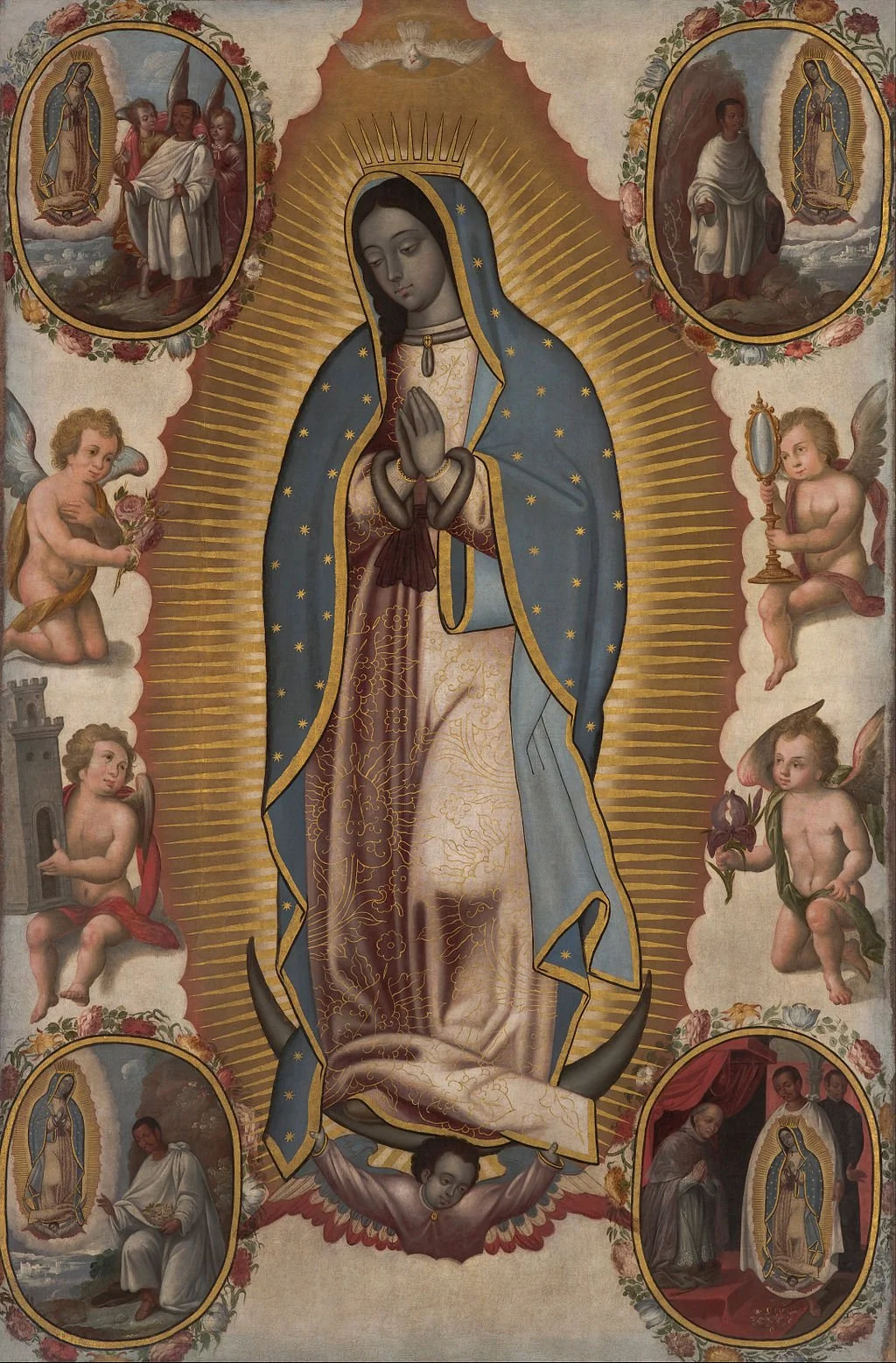
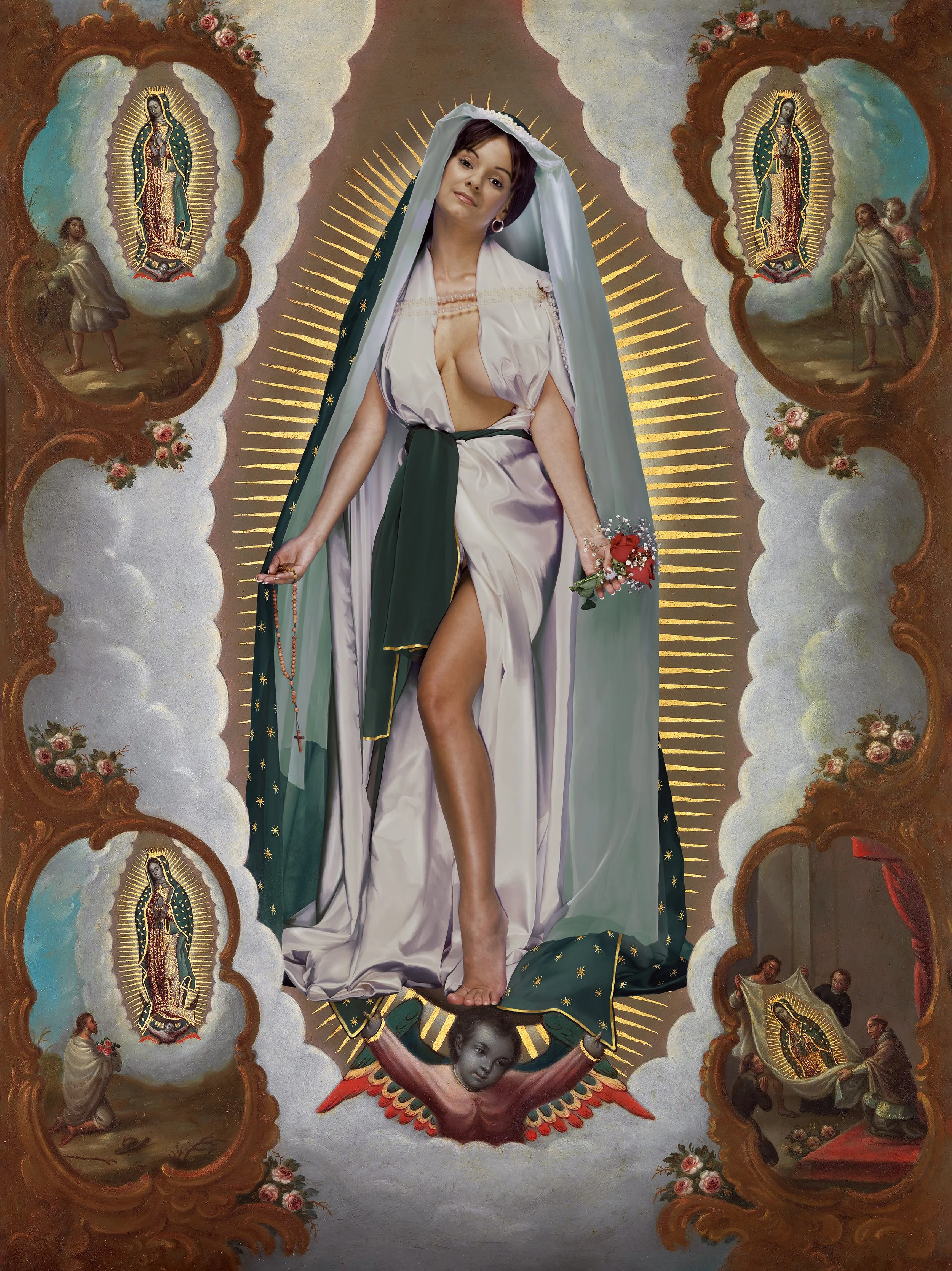
Virgin of Guadalupe, Artist Unknown (Mexican), 1700
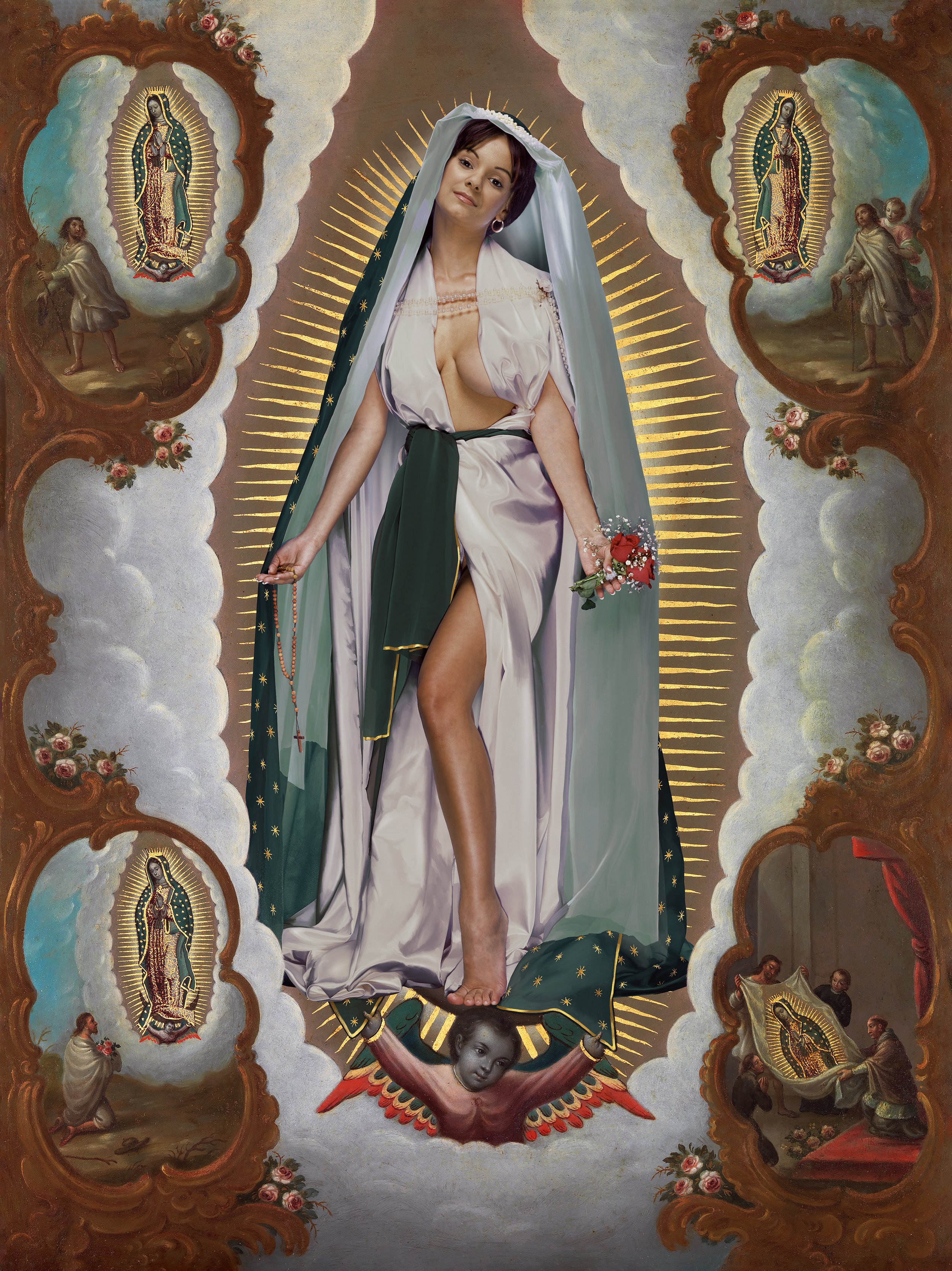
Virginis de Guadalupensis, Nika Nesgoda, 2002/2022
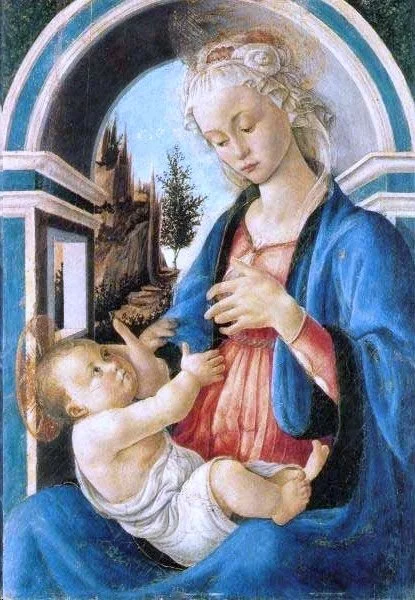
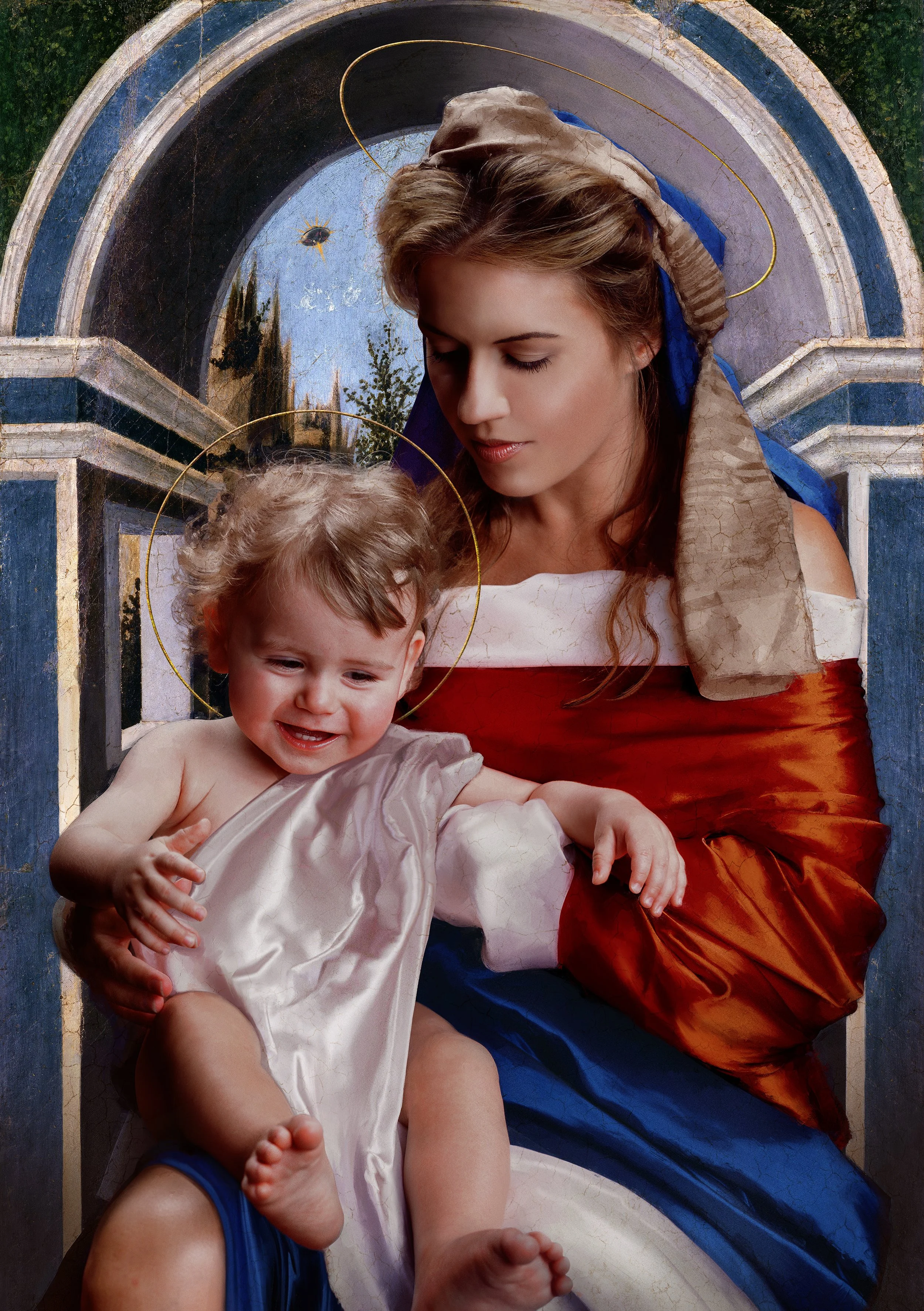
Madonna and Child, Sandro Botticelli, 1467
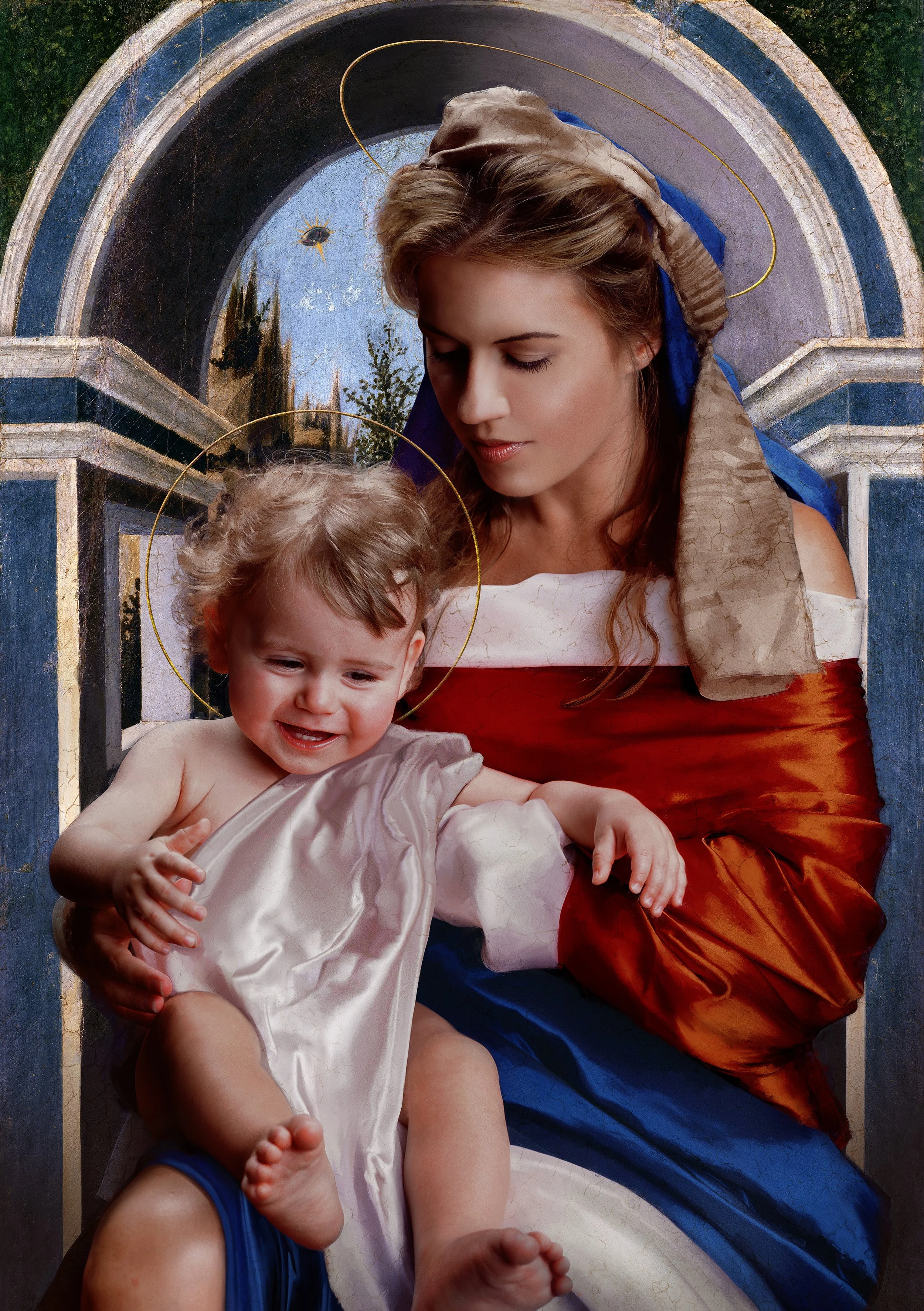
Madonna et Pueri, Nika Nesgoda, 2002/2022
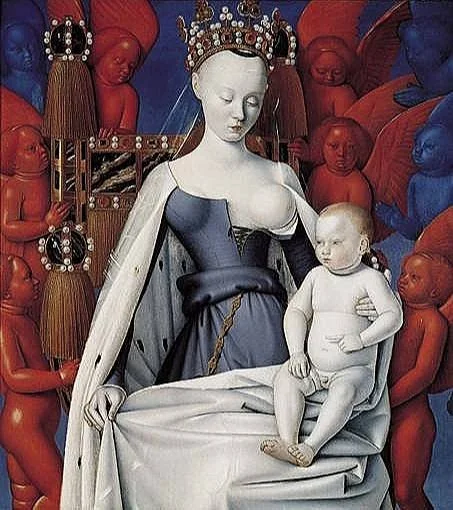
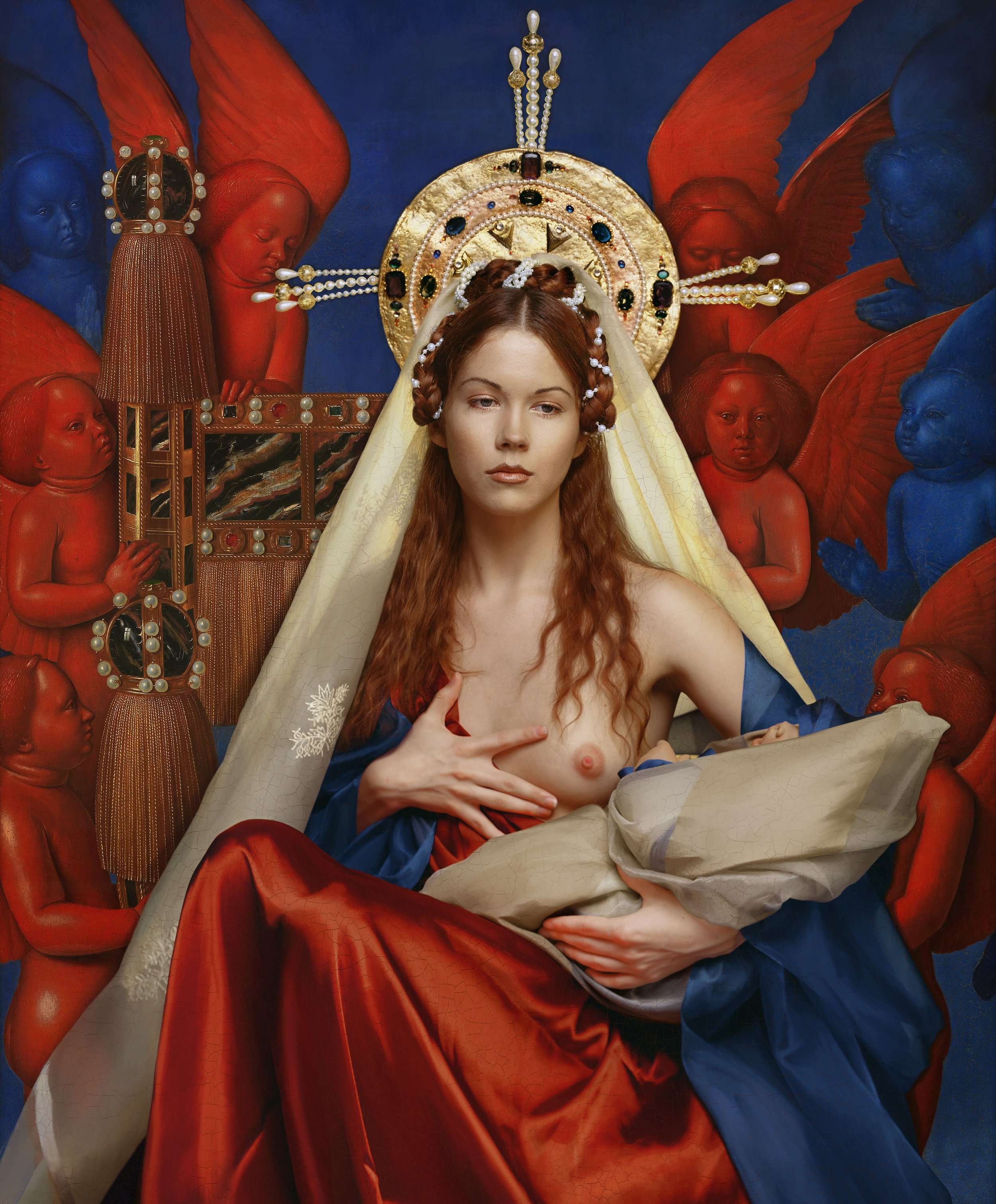
Left Panel of of Madonna and Child Diptych de Melun, Jean Fouquet, 1450
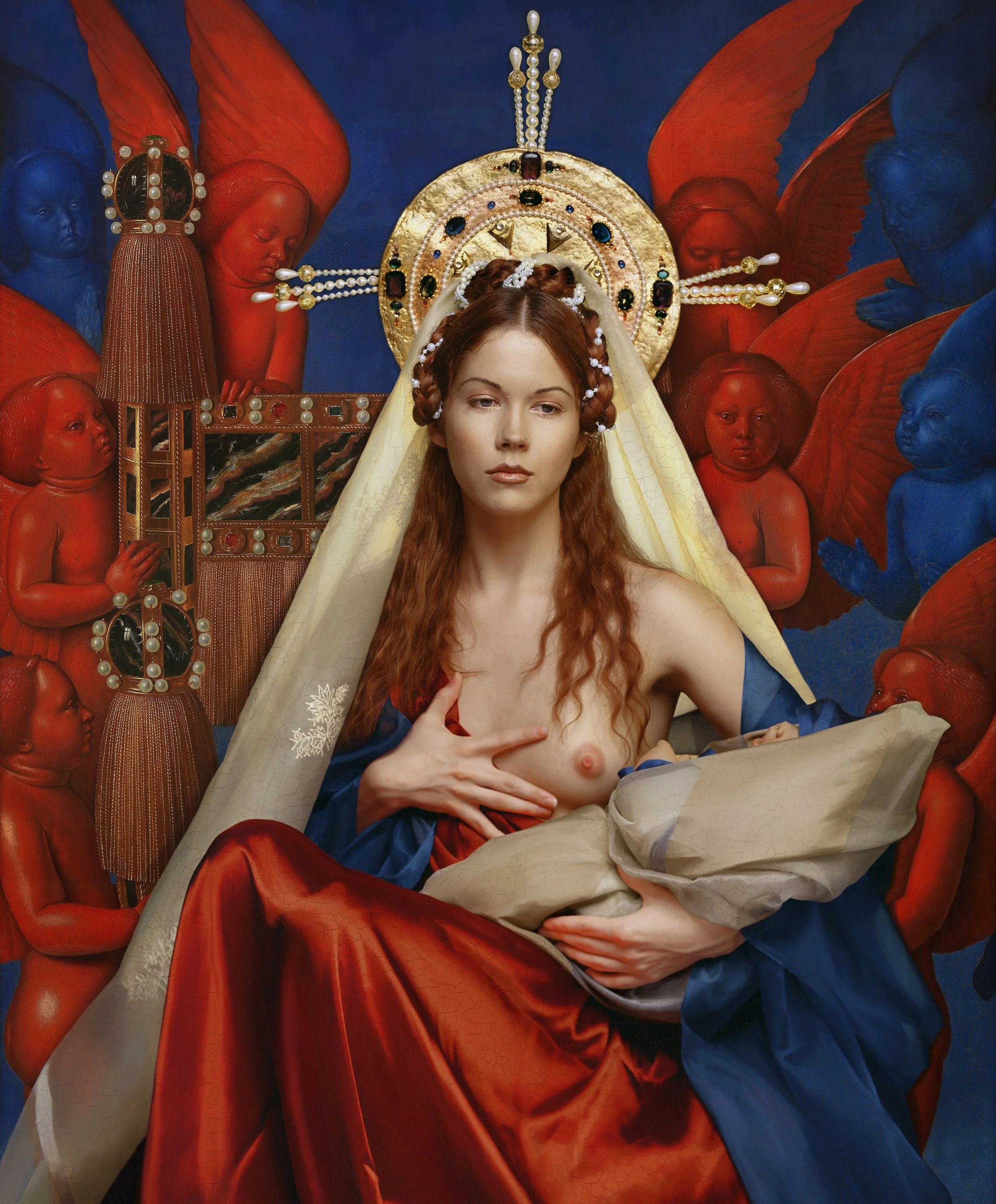
Coronatio Virginis (Coronation of the Virgin), Nika Nesgoda, 2002/2022

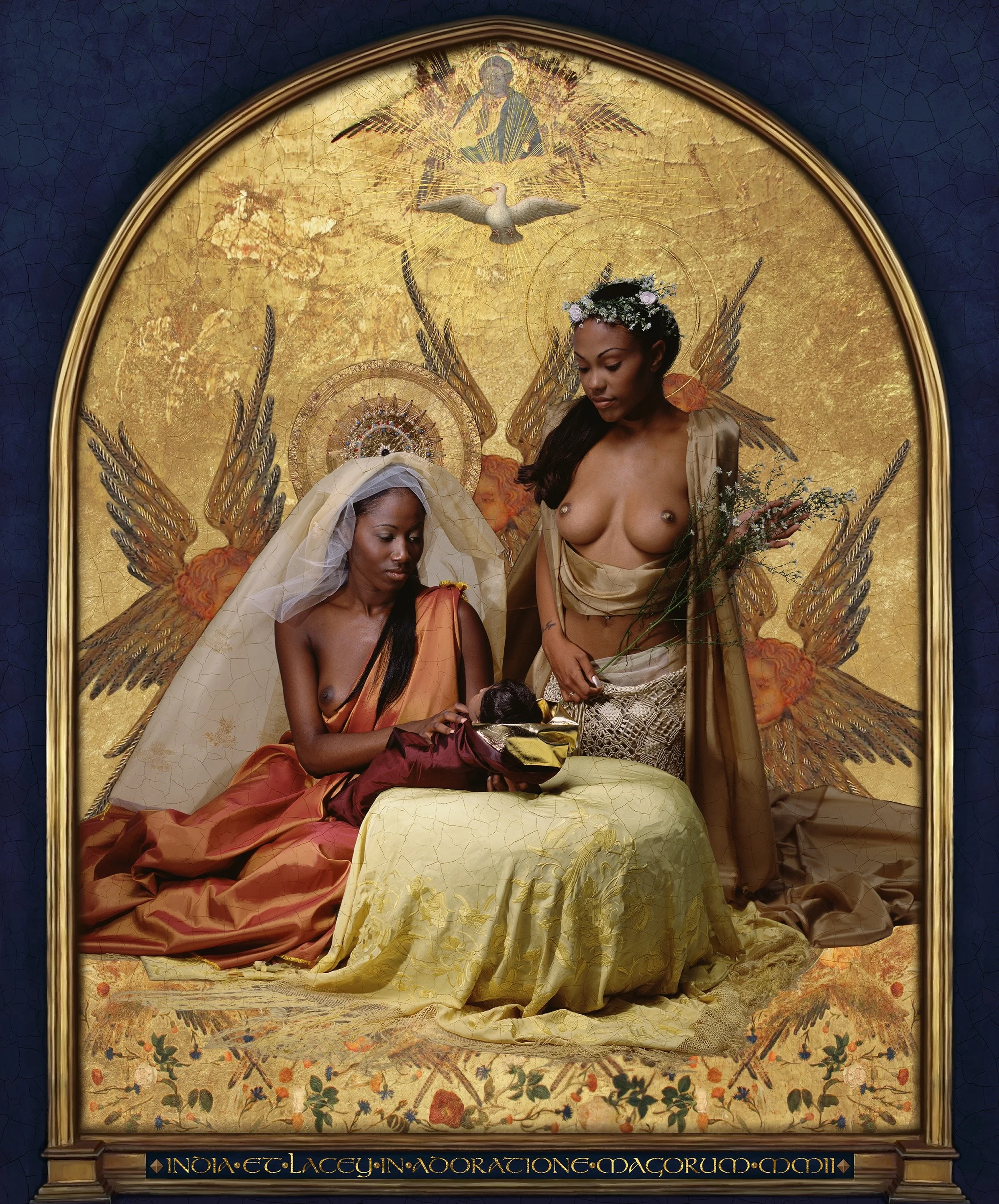
Unfinished Madonna in Adoration, attributed to Giovanni di Paolo, 1403–1482
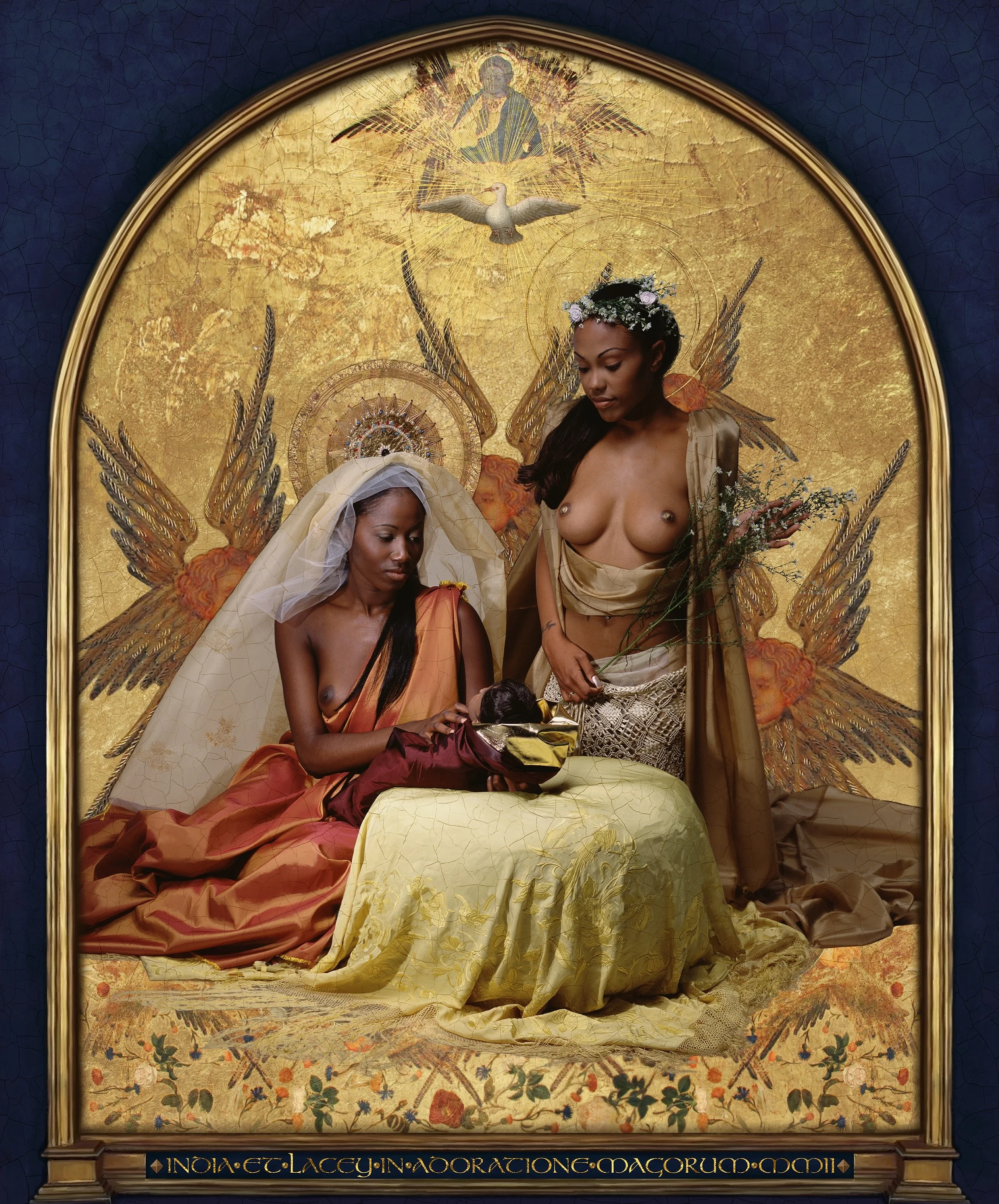
Madonna in Adoratione, Nika Nesgoda, 2002/2022

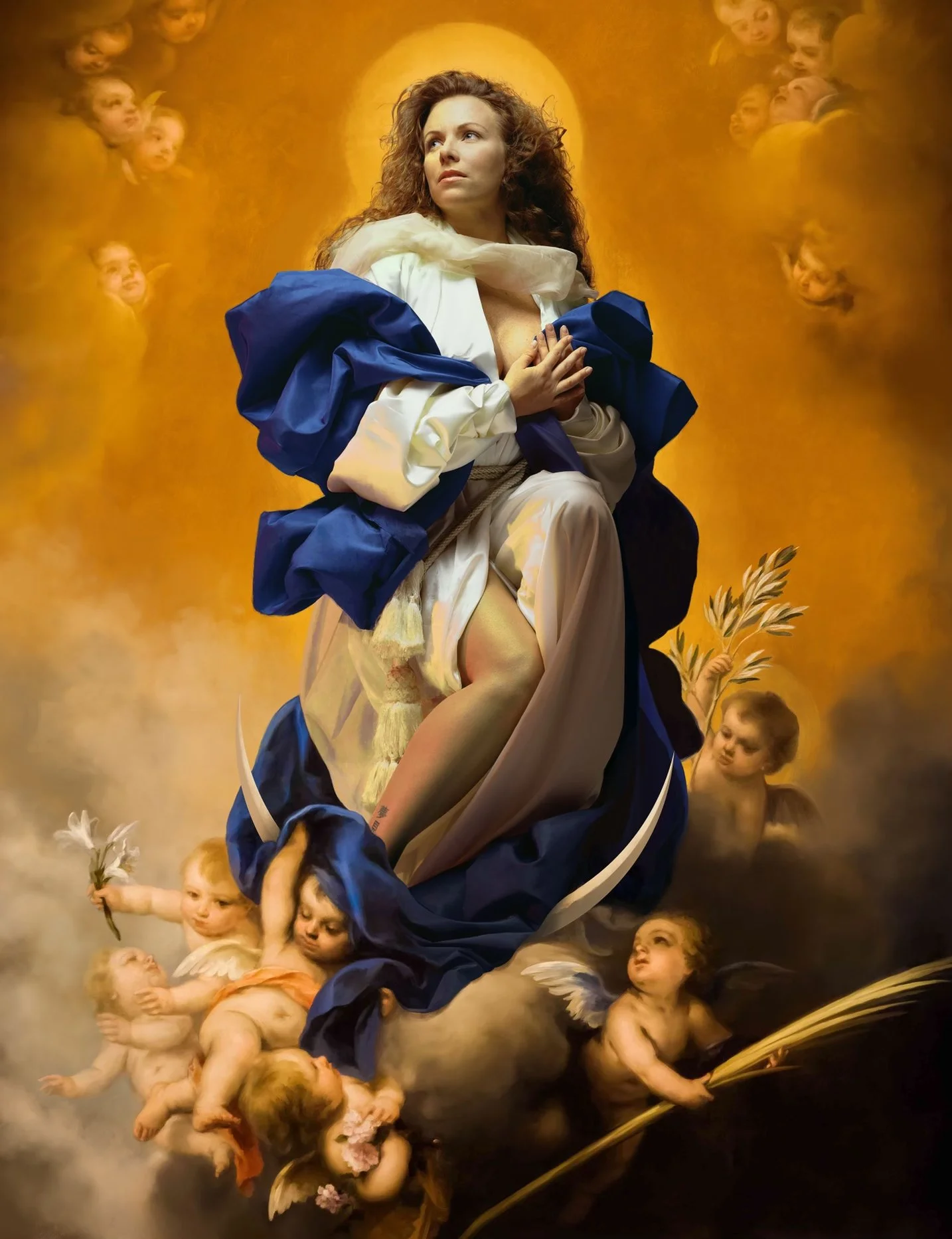
The Immaculate Conception of Los Venerables or The Immaculate Conception of Soult, Bartolomé Esteban Murillo, 1678
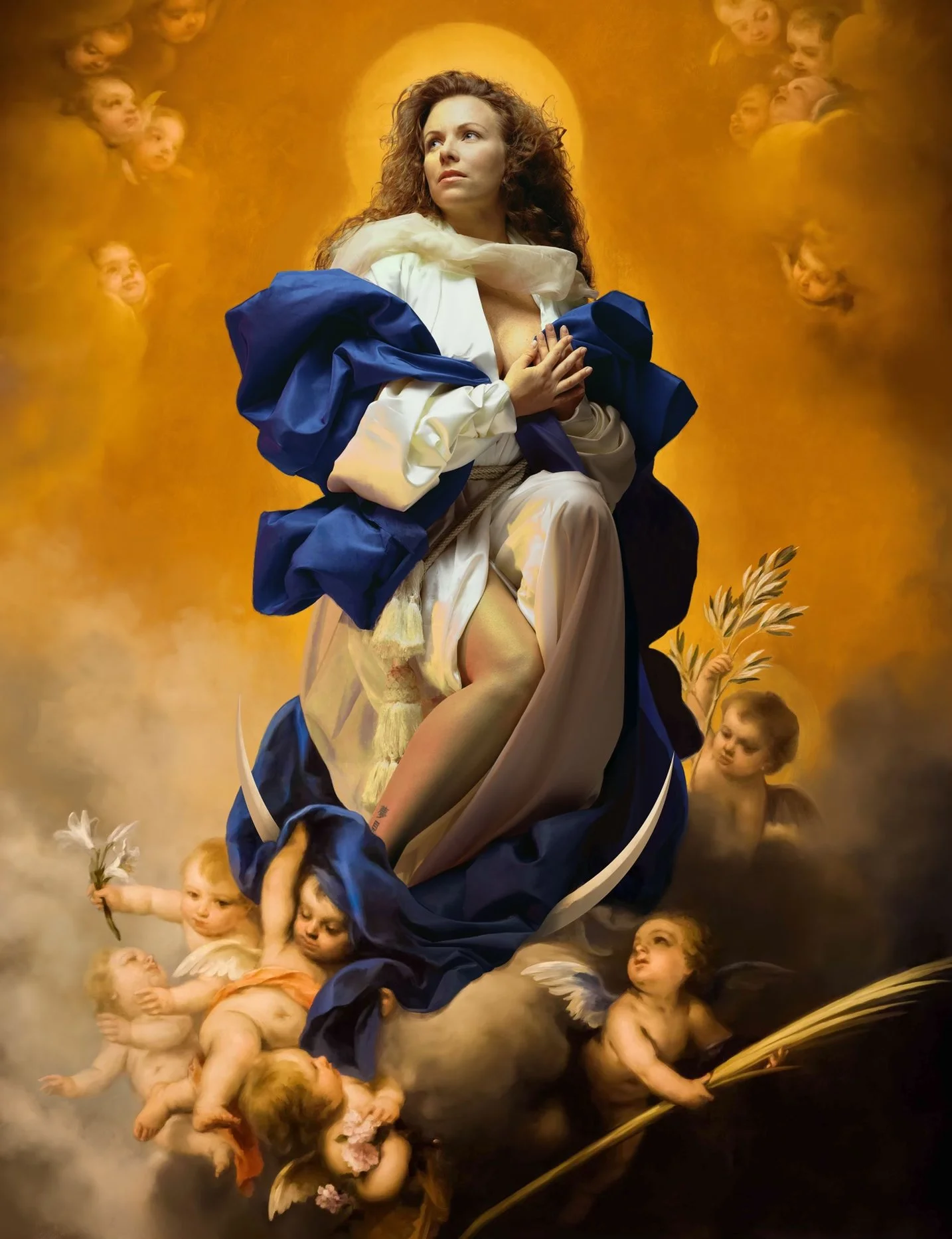
Immaculata Conceptio, Nika Nesgoda, 2002/2022
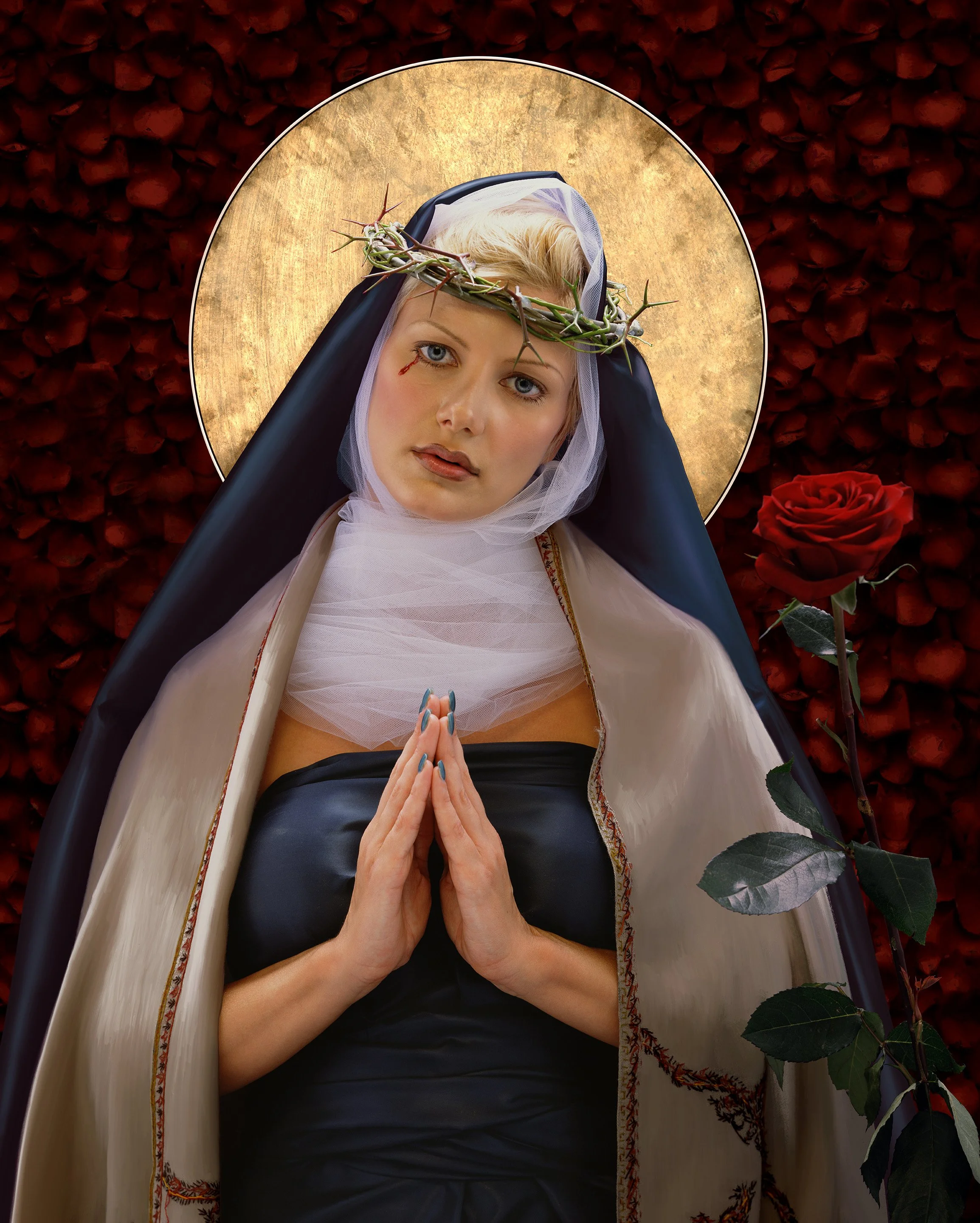
The Madonna in Sorrow, Giovanni Battista Salvi da Sassoferrato , 1640s
This work embodies the devotion and suffering of a mother.
Nostra Domina Doloris, Nika Nesgoda, 2002/2022
“[Nesgoda] sought to combine Christian iconography with contemporary pornography to draw attention to the fact that, from a certain perspective, both represented reductive, misogynistic views of women.”
With all of this in mind, the mission was to recreate these paintings centuries later, as a hagiographic photographic series. This time employing women from the adult entertainment industry as stand-ins for the Virgin Mary. Drawing from Renaissance-era paintings depicting Mary, such as Simone Martini’s “Annunciation,” painted in 1333; “The Visitation,” painted by Fra Angelico in 1434; and Titian’s “Virgin Dolorosa With Her Hands Apart,” from 1555, among others, the life of the Virgin Mary was mapped out, beginning with the Immaculate Conception and continuing the narrative of her life, death, and Assumption into Heaven. The photographs were shot using saturated colors and chiaroscuro lighting inspired by artists like Caravaggio, paying careful attention to skin and fabrics; also incorporated was classic Catholic iconography, such as the exposed breast (humanity) and feet (humility). The photos were shot on large-format color slide Fujichrome film.
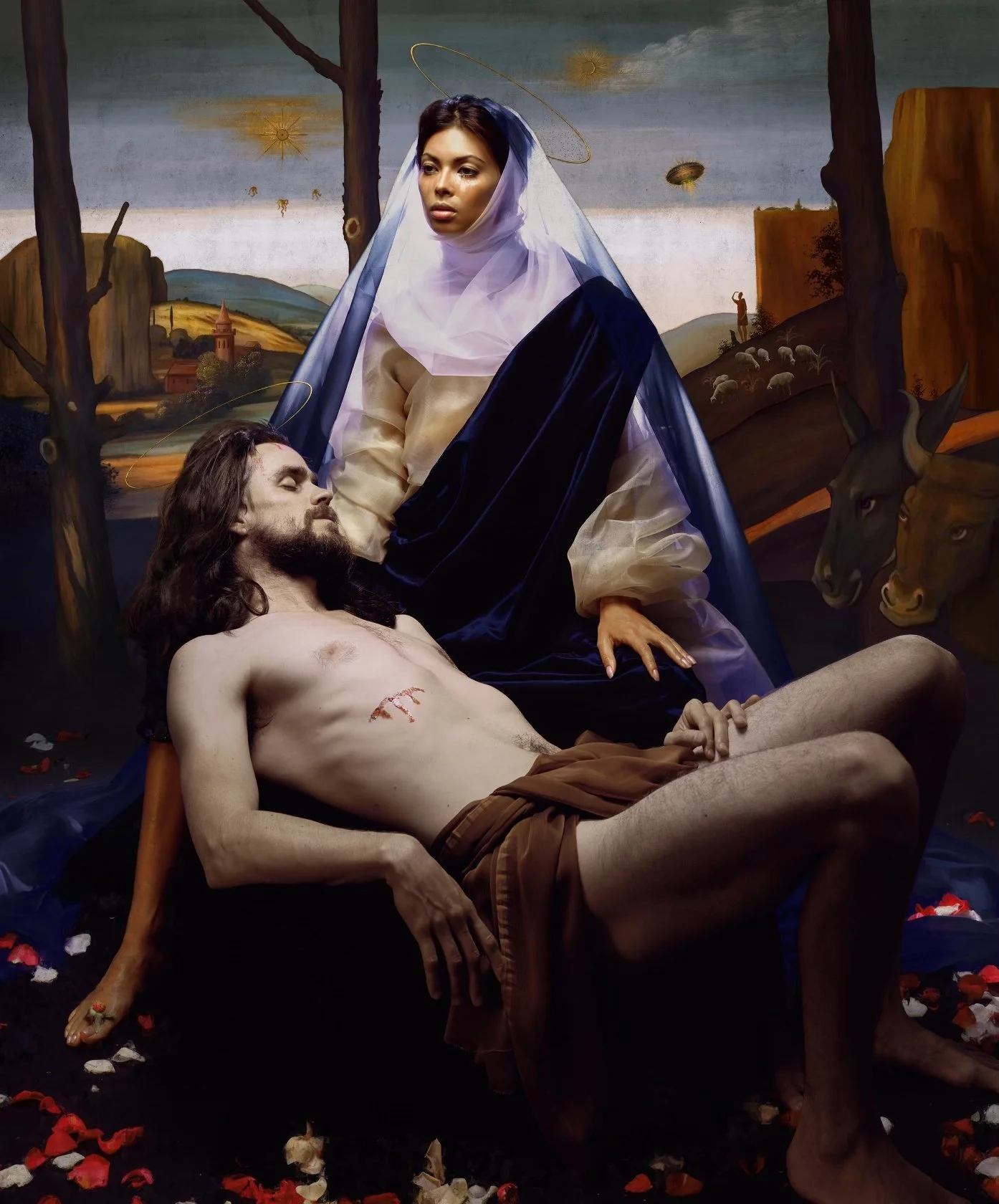
Pietá, Annibale Carracci, 1600
The Pietá is one of the most common artistic representations of the sorrowful Virgin. She cradles the dead body of her son with pity and compassion, as Christ has died for the sins of mankind. This deep emotion was intended to elevate the viewer to piety and religious sentiment.
Pietá, Nika Nesgoda, 2002/2022
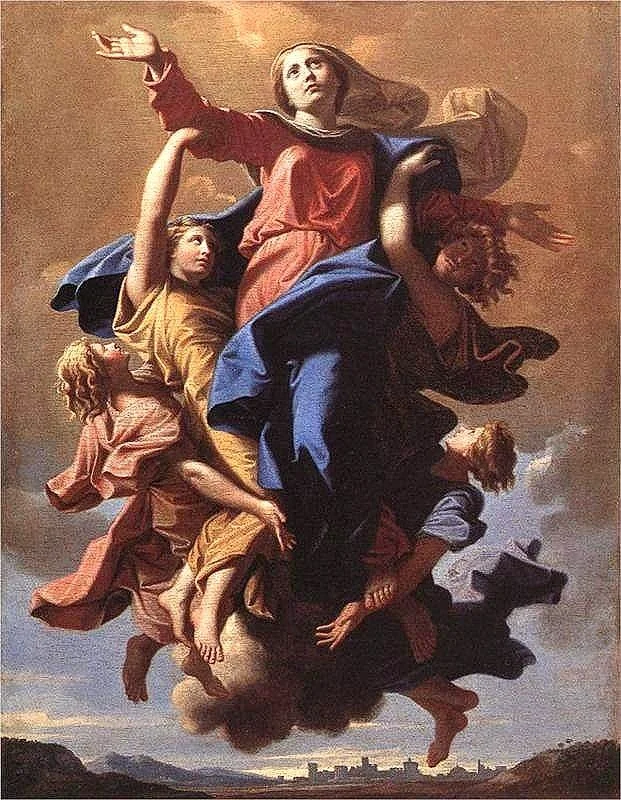
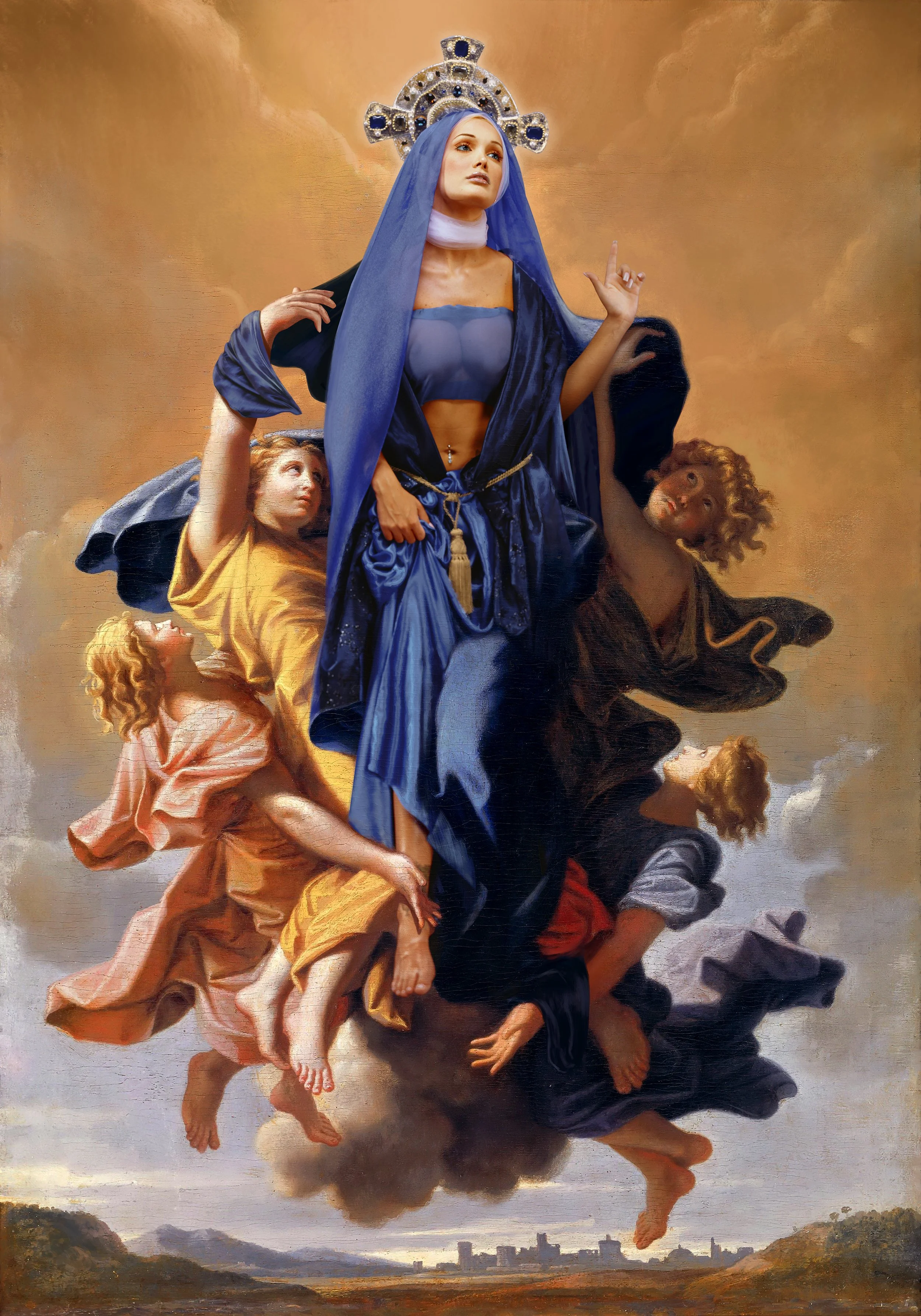
The Assumption of the Virgin, Nicolas Poussin, 1650
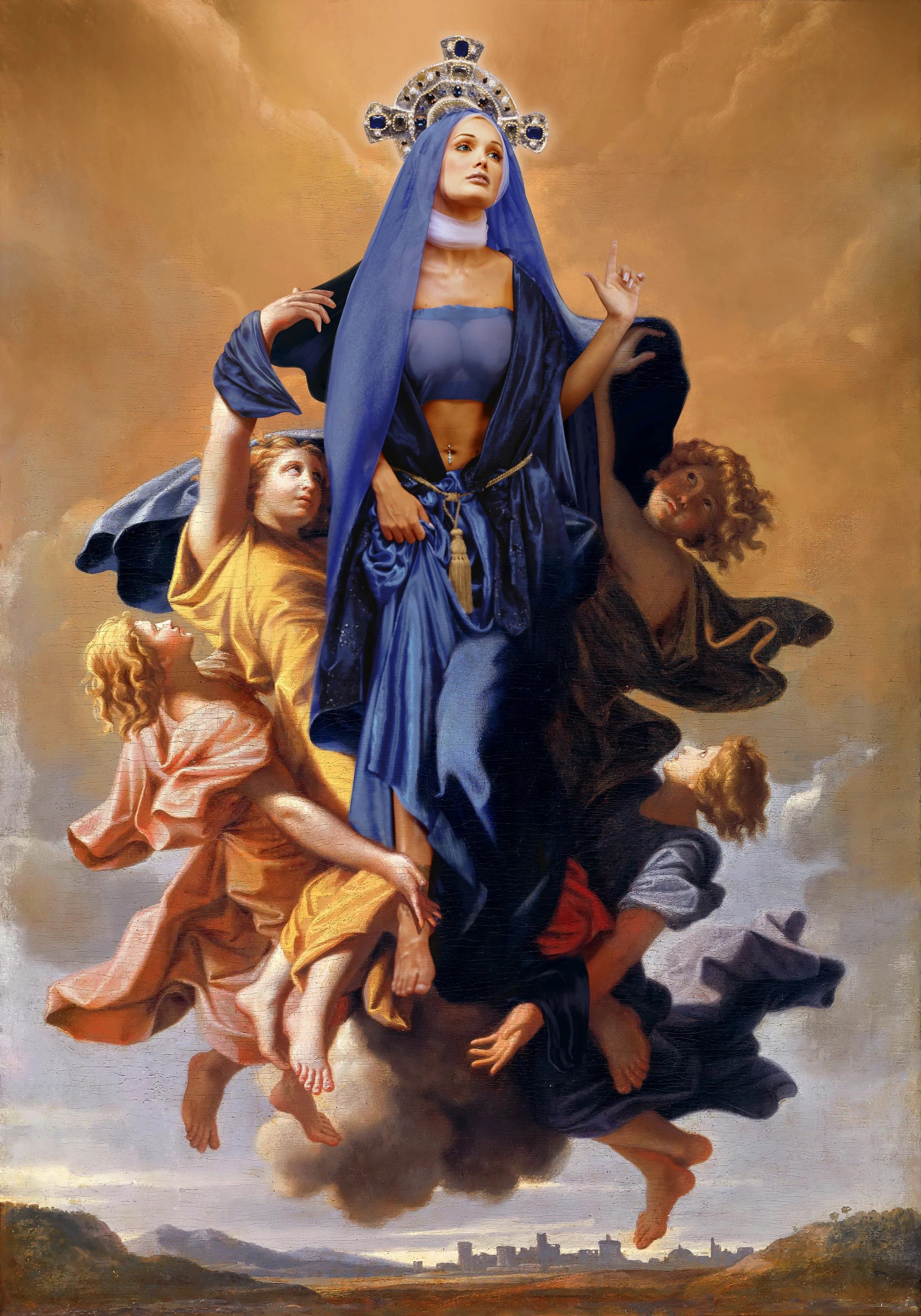
Assumptione, Nika Nesgoda, 2002/2022
Born a Roman Catholic, the church and its doctrines and policies were something I had questioned over the years. VIRGIN was a vehicle in which to grapple with some of these issues. However, it’s important to note that the series was not created with the goal of mocking or ridiculing the Catholic Church in any way. In hopes of assuaging some of the instinctive Catholic guilt that initially surfaced, it’s comforting and empowering to recognize that the women in this series are just as worthy of portraying the Virgin Mary as anyone else. Humanity is boundless.
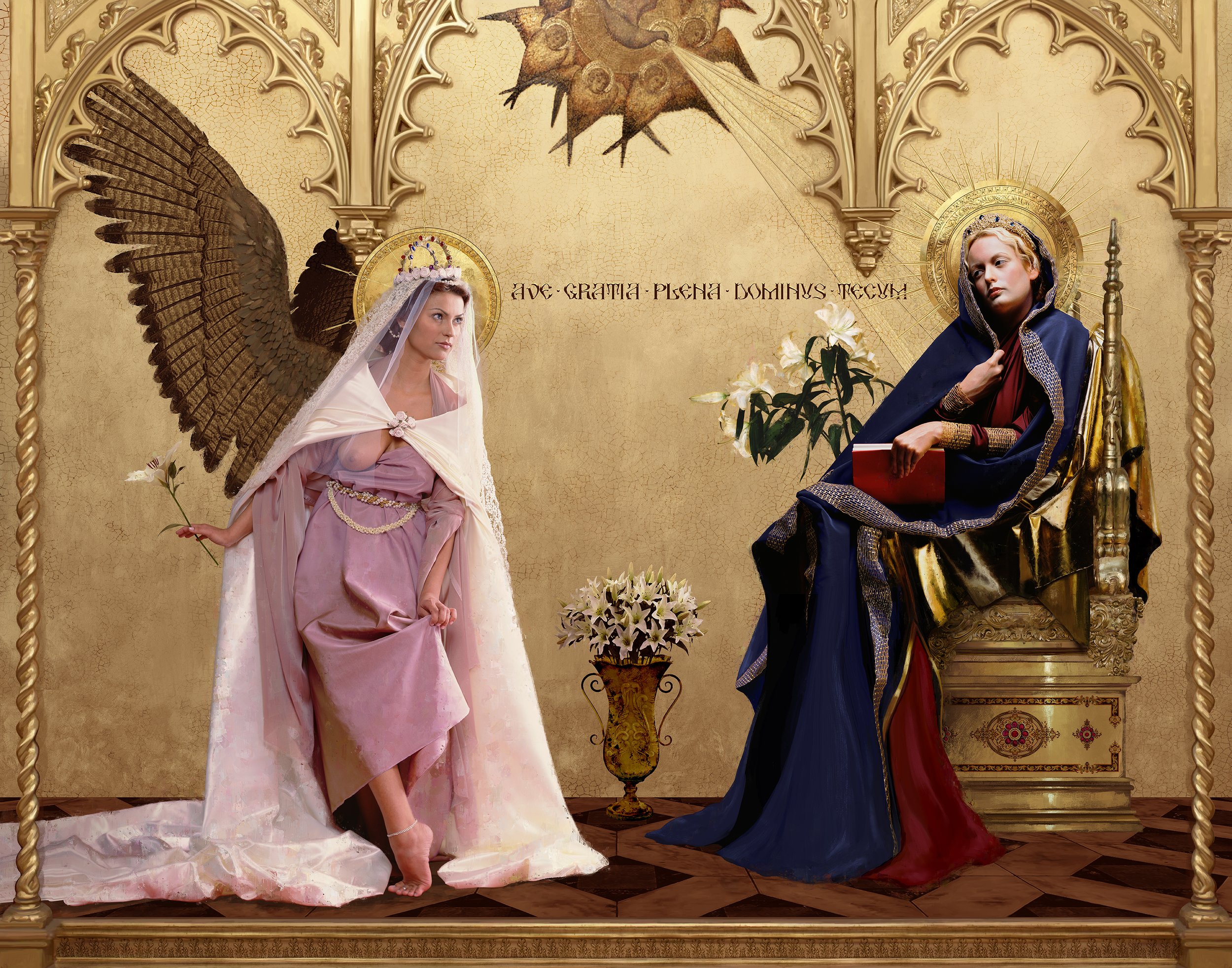
Detail of The Annunciation, Simone Martini & Lippo Memmi, 1333
This piece is considered one of the most outstanding examples of Gothic art. The Virgin is depicted sitting on a throne, reading, at the moment the archangel Gabriel tells her that she will bear the “Savior.” The lilies remind us of her purity and explain the reluctance in her reaction.
Detail of Annuntiatio, Nika Nesgoda, 2002/2022
For more than a decade after these photographs were shot, the choice was made not to show them, following some early and visceral negative feedback. One printer in New York City even declined to print the images, citing the “sacrilegious” content. Then, in 2018, more than 400 years after Caravaggio caused a stir among the clergy by posing a sex worker as a model for the Virgin Mary, news broke that former U.S. President Donald Trump had paid off adult film actress Stormy Daniels to keep quiet about an extramarital affair they’d had. Following the scandal, TIME Magazine published them alongside images of the paintings that inspired them.
This time, the series was critically praised and the photographs were found to be particularly appropriate for the era we find ourselves living in today; they are “imbued with new meaning,” according to Artnet’s Taylor Dafoe, and “[make] a lot of sense,” per VICE news’ Kara Weisenstein. The media called the photos “‘perfect’ reflective surfaces for fantasy, redemption, or both.” To Dr. Aaron Rosen, a professor of religious thought at King’s College London, the photographs even align well with some of the Bible’s teachings. “Is someone like Stormy Daniels less worthy of salvation?” he asked in an interview with VICE. “I think that’s something that Jesus would strongly disagree with. It’s precisely the people that others find appalling or uncouth or don’t approve of [...] that Jesus specifically seeks out in the gospel.”
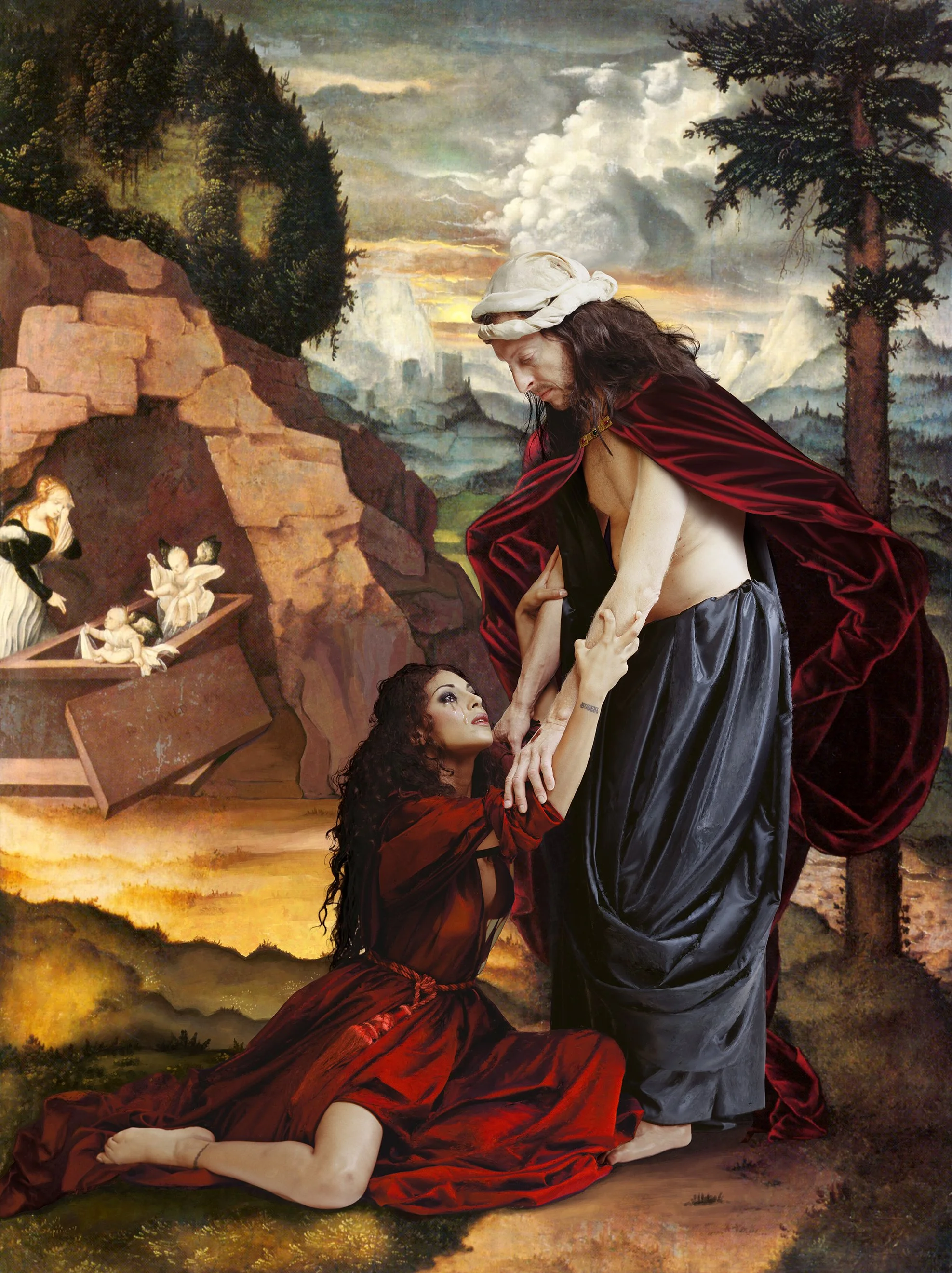
Detail of Noli Me Tangere (Touch Me Not), Titian, 1514
Christ appears to Mary Magdalene after his resurrection to comfort her. Overwhelmed with emotion, she reaches to him. But, wishing for his followers to not cling to his physical presence, he requests not be touched.
Noli Me Tangere, Nika Nesgoda, 2002/2022
“The Church condoned the presence of these ‘sinful women’ in their cathedrals under the auspices of trying to convert them into good Christians. But, let’s face it, it was most certainly about obtaining the best art from the most famous artists.”
VIRGIN challenges contemporary and historical notions of celebritydom, class, identity, and divinity. It is an interpretation of classic works in the light of the present, while at the same time confronts age-old questions about how we view the women who serve as artistic muses. Who deserves society’s worship and idolization? There is something both primal and cultural about iconography and pornography, virgin and whore. Throughout history, these female muses were expected to be one or the other (or both), and the same largely holds true today.
Detail of Death of the Virgin, Michelangelo Merisi da Caravaggio, 1514
This work was the catalyst for the VIRGIN series. Originally rejected by the parish because the artist was rumored to have modeled the Virgin after a prostitute. The work was later praised as one of Caravaggio’s greatest works and today is in the Louvre in Paris.
Mors de Virgine, Nika Nesgoda, 2002/2022
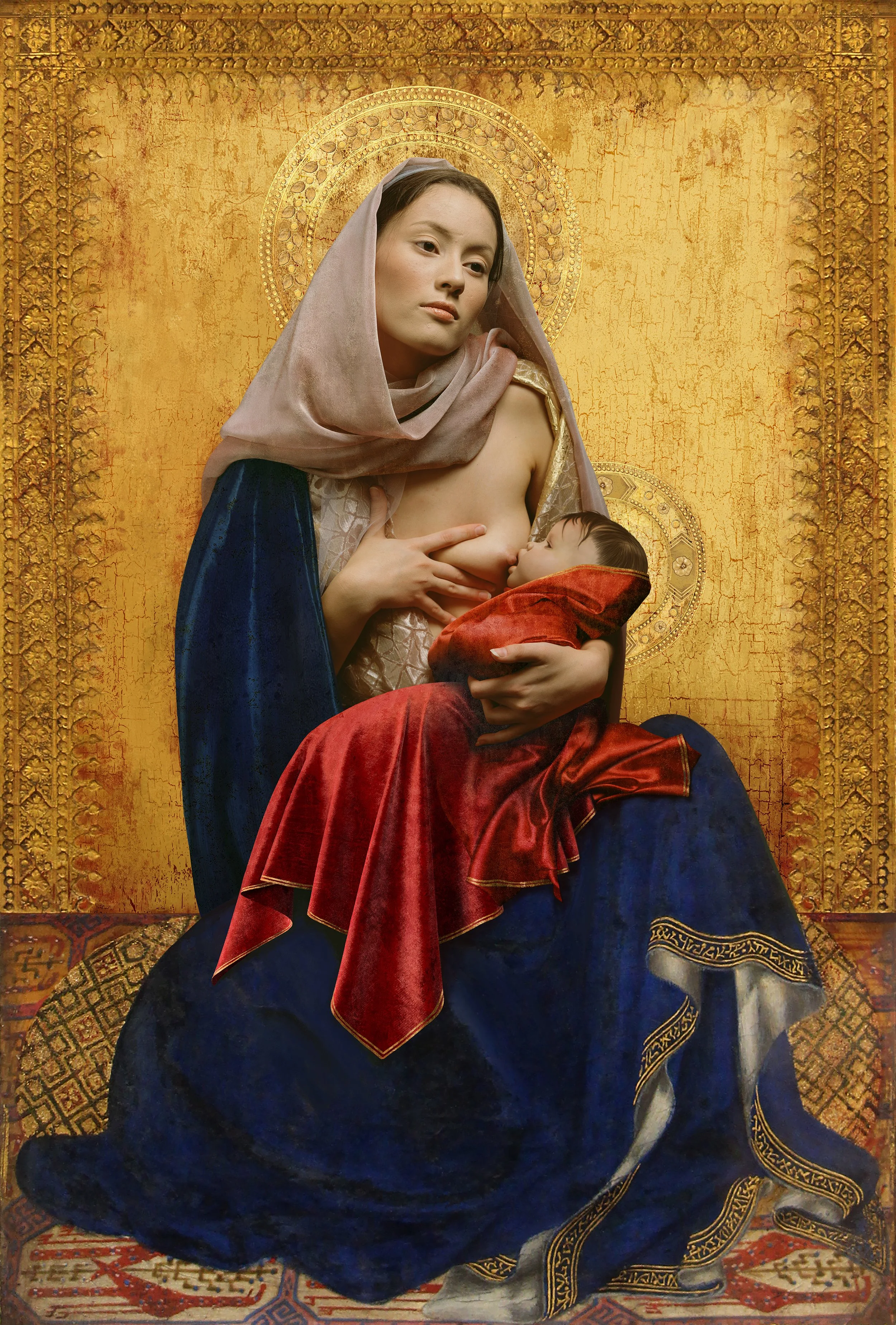
Detail of Maria Lactans (Nursing Madonna), Barnaba da Modena, 1350
The nursing Mary baring her breast celebrates the end of the plague, and is a traditional gesture to Christ when asking mercy for sinners. The maternal act of breast feeding symbolizes the Virgin’s humility, mercy, and solicitude for all of humankind.
Detail of Maria Lactans, Nika Nesgoda, 2002/2022
“[Nesgoda] cast adult film stars as the Madonna as a way of zeroing in on the complexity and humanity of both. In a way, she is asking who is worthy of being idolized.”
VICE News 2018 Kara Weisenstein
RTE Radio 1: DRIVETIME with Mary Wilson “The Sacred and the Profane”
>click below for interview<
The complete VIRGIN NFT collection
I’m a New York-based interdisciplinary artist and my work includes film and digital photography, video, textiles, paint, paper sculpture and anything else I need to highlight political and philosophical inquiry, social justice, feminist themes, and material exploration. I hold a BS from SUNY and an MA from Columbia University, where I am currently a doctoral fellow and candidate researching the role of sense memory and lived experiences.
For inquiries about this study, please email: nnn2113@columbia.edu